WHAT IS TOMATO PASTE?

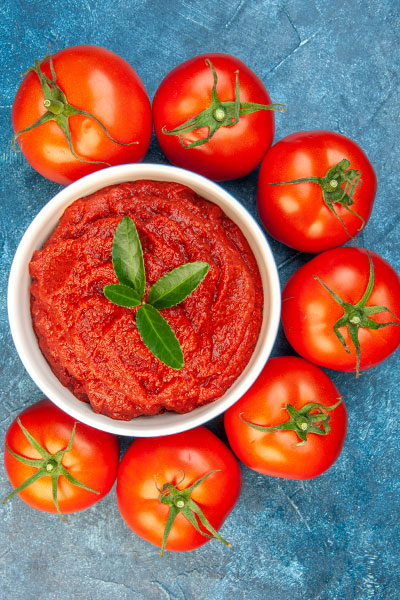
Tomato paste is a food product that as a tomato extract contains a large amount of the mentioned properties of tomato, which is used as a condiment in most foods and is a unique flavoring and coloring. In the not-so-distant past, everyone used to cook their paste traditionally at home.

Tomato paste is one of the most widely used food condiments among Iranians, which is used in various foods fried or cooked. In the past, people used to cook the tomato paste for their annual consumption at home.

But today, like all other areas of life, technology has come to the aid of human beings to make tomato paste in the healthiest conditions, the highest packaging, and finally the quality easily available to everyone.

Currently, most people use industrial tomato paste. This product goes through various stages from the farm to the store. For some people, it is interesting to know how to prepare tomato paste in the factory.

ASEPTIC TOMATO PASTE

Aseptic actually means disinfection, but in the industry it is also referred to as product packaging. Aseptic increases the stability of a product. The aseptic process is referred to as the process in which the packaged product does not need to be refrigerated. This process is used as a suitable substitute for freezing foods such as tomato paste, milk, yogurt, eggs, and so on.

Aseptic blue barrels weighing 230 kg are one type of tomato paste packaging. After the production, tomato paste is filled in completely hygienic and sterilized nylons and placed in these barrels. The barrel caps will be sealed and then ready to be loaded for export.

WHICH TOMATOES ARE GOOD FOR TOMATO PASTE?

Paste tomatoes are known by a variety of names, such as paste, Roma, plum, and sauce. Each one is unique regarding shape and size, but they all deliver the same thing: juicy flesh with thick walls and small seed sacs, ensuring that each tomato provides a wealth of gastronomic deliciousness.

There are two types of tomatoes in the market; both local and greenhouse tomatoes can be used, each with advantages and disadvantages.

  • Vivamus suscipit tortor egert.

  • Id tellus et erat sagittis finibus.
  • Donec rutrum congue leo eget.
  • Libero malesuada feugiat.
  • Porttitor accumsan tincidunt.
  • Curabitur aliquet quam id.

TOMATO PASTE PROCESSING TYPES

Hot break Processing

In this method, fresh tomatoes are rapidly heated to a high temperature, causing them to break down and release their juices quickly. The process is then followed by a rapid cooling step. Hot break processing helps to inactivate enzymes, reduce microbial load, and remove excess water, resulting in a thicker and more concentrated tomato paste with an enhanced color and flavor.

Cold break Processing

In contrast to hot break processing, cold break involves a slower and gentler heating process. Tomatoes are gradually heated to a lower temperature, allowing for the retention of more natural flavors and nutrients. While the paste obtained may have a brighter red color, it typically has a slightly thinner consistency compared to hot break tomato paste.

TOMATO PASTE PRODUCTION PROCEDURE

1

Selection of Fresh Tomatoes

The first step in aseptic tomato paste production is the careful selection of fresh and ripe tomatoes. Only the best quality tomatoes with ideal characteristics, such as high solids content and low moisture, should be chosen. This ensures that the final product will have a rich flavor and a thick consistency.

2

Sorting and Washing

After selection, the tomatoes undergo sorting to remove any damaged or blemished fruits. Next, they are thoroughly washed to eliminate dirt, debris, and surface contaminants. Proper washing is essential to maintain hygiene and prevent any potential spoilage microorganisms from contaminating the final product.

3

Crushing and Refining

Once cleaned, the tomatoes are crushed to a pulp to break down their cellular structure and release their juices. The pulp is then refined to remove any remaining seeds and skin, resulting in a smooth and uniform texture.

4

Preheating

The tomato pulp is preheated to an optimal temperature to inactivate enzymes and ensure microbial safety. This step is crucial to preserve the natural color, flavor, and nutritional properties of the tomatoes.

5

Aseptic Sterilization

The preheated tomato pulp is transferred to an aseptic sterilization system. Aseptic processing involves subjecting the pulp to a combination of high temperature and short time (HTST) treatment, which kills harmful microorganisms while retaining the essential nutrients and taste of the tomatoes. 

6

Packaging

After sterilization, the aseptic tomato paste is filled into sterile containers, such as metal or plastic pouches or cartons. These packaging materials prevent any recontamination and maintain the aseptic integrity of the product.

7

Sealing and Cooling

The filled containers are sealed hermetically to prevent any air or contaminants from entering. Subsequently, the sealed packages are rapidly cooled to ambient temperature, ensuring the product's stability and safety.

8

Quality Control

Throughout the entire production process, rigorous quality control checks are performed to monitor various parameters, including taste, color, consistency, and microbial content. This ensures that the aseptic tomato paste meets all safety and quality standards before it reaches the market.

Tomatoes Vitamins

Helath benefits of tomatoes

Skin and hair

good for skin and hair

Fats

Helps burn your fats

Bones

Good for your bones

Blood

Controls blood sugar

Iran Tomato Paste:

A Taste of Rich Heritage and Culinary Excellence

Iran is renowned for producing some of the world’s finest tomato paste, cherished for its exceptional quality, rich flavor, and deep cultural significance. With a long history of tomato cultivation and a commitment to traditional production methods, Iranian tomato paste has become a symbol of culinary excellence and a staple in kitchens worldwide. The key to Iran’s esteemed tomato paste lies in its meticulous production process, which combines the finest locally grown tomatoes with time-honored techniques. The country’s favorable climate and fertile soil provide an ideal environment for growing flavorful tomatoes, notably the prized Roma and San Marzano varieties, known for their robustness and taste.

Sixth in the world among the top 10 exporters

Top 10 Tomato-producing Countries

Annual production of 6.4 million tomatoes

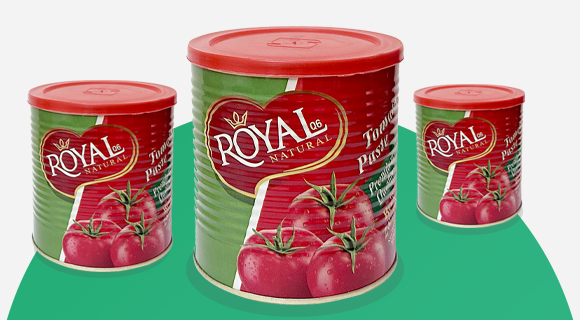
CANNED TOMATO PASTE

Canned tomatoes are one of the methods of preparing and storing tomatoes for all seasons. You can easily prepare canned tomatoes at home and be sure that if the ventilation is done properly, it will be used for all kinds of stews. Even when traveling you can also take canned tomato paste with you. This can be easily stored outside the refrigerator and in cabinets. You can use canned tomatoes for dishes such as lasagna, macaroni, spaghetti, etc. However, if you open the lid of the can, you must be sure to consume it quickly so that it does not mold and spoil because it does not contain preservatives.